
16 min read · Updated: 2026-11-29
Wash dog toys according to their material: scrub solid rubber or silicone with warm water and mild dish soap, and launder washable fabric toys using the care label. Rinse away all soap, then let toys dry completely before returning them to your dog. Throw away toys with cracks, loose pieces, exposed stuffing, or damage you cannot clean safely.
A regular cleaning routine helps remove saliva, dirt, food residue, and grime that can build up during play. How often to wash depends on how often a toy is used and whether it gets wet or visibly dirty; inspect toys as you clean them.
Different toys need different care. Check labels and construction before choosing a washing method, and avoid harsh cleaners or heat unless the manufacturer says they are safe.
- Match the cleaning method to the toy’s material and construction.
- Follow care labels, use mild soap when suitable, and rinse away residue.
- Dry toys completely before storing them or returning them to play.
- Replace toys with cracks, loose parts, exposed stuffing, or damage you cannot clean.
Why regular toy cleaning matters
Remove saliva and grime
Wash toys when they look dirty, feel sticky, or have picked up food, mud, or saliva during play. Residue can collect in grooves, seams, and chew marks, so a quick rinse may not be enough. Use warm water and mild soap suited to the toy’s material, then rinse thoroughly.
Toys used outdoors often need attention sooner than toys kept indoors, especially after rolling in soil or puddles. Check rope knots, textured surfaces, and the edges of fabric seams, where dirt can remain after a surface wipe. Cleaning those areas helps keep residue from building up between play sessions.
When comparing imported replacement toys, Turkish shoppers may check dolar ve euro kurları to understand how currency movements affect the listed price. That price check is separate from cleaning: choose a safe toy that suits your dog, and follow its care instructions before use. A clean toy still needs regular inspection for damage.
Keep play areas cleaner
Cleaning toys also helps keep grime from transferring to floors, bedding, and your hands. This matters when a dog carries a damp toy from outside onto a favorite resting spot. Give toys a rinse or wash after muddy play, and set them aside to dry rather than leaving them in a closed toy bin.
Separate toys that are visibly dirty from clean ones so residue does not spread between them. A small washable container or designated drying area makes this easy to manage after a play session. Wash the container too if it collects water, food bits, or dirt from the toys.
A cleaning routine is most useful when paired with a quick condition check. Look for splits, loosened seams, and chewing that has changed the toy’s shape or exposed its filling. Washing cannot restore a damaged toy, and continuing to offer one may create a choking or ingestion risk.
- Set muddy toys aside for washing.
- Keep clean and dirty toys separate.
- Dry toys before storing them.
Sort toys by material and construction
Identify the toy’s material
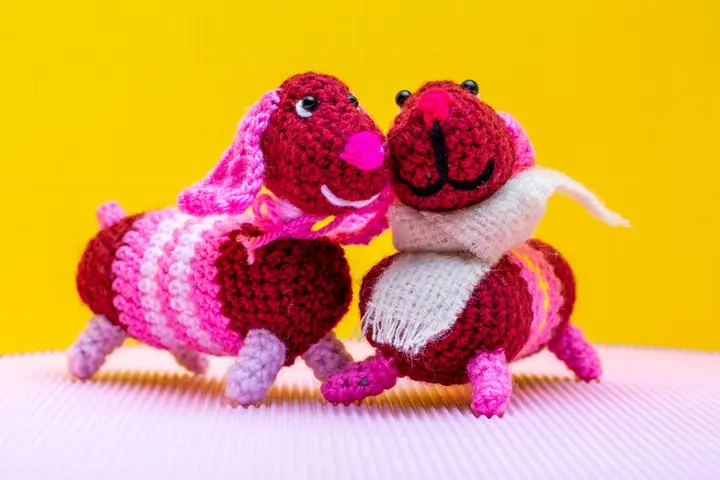
Sort toys by what they are made of before washing: solid rubber, plastic, fabric, and rope can require different methods. A toy’s surface alone may not tell the whole story; a fabric toy can contain a squeaker, while a rubber chew toy may have hollow spaces that trap water. Check both the material and the construction.
- ☐ Separate fabric and rope toys from solid toys.
- ☐ Check for squeakers or other inserts.
- ☐ Look for hollow sections that may trap water.
- ☐ Use the strictest care needs for mixed materials.
Hard, nonporous toys are often easier to scrub and rinse than toys with woven fibers or padded interiors. Fabric and rope can hold moisture, so they need enough drying time to avoid being put away damp. If a toy combines materials, use the gentlest method allowed for all of its parts.
If you cannot identify a material or its care needs, look for the packaging or manufacturer’s instructions before soaking it. Avoid assuming that a toy is dishwasher-safe or machine-washable based on appearance. When there is no guidance, a careful surface clean and thorough drying are safer than a wash that could damage hidden components.
Match care to construction
Construction changes how a toy should be washed, even when two toys use the same material. A solid rubber toy has fewer places for water to collect than a hollow toy with a small opening. Inspect cavities and seams, and make sure you can rinse out soap and drain any trapped water.
Rope toys can retain dirt between their strands, while plush toys may hold moisture around stuffing and stitched-in parts. If the toy is machine-washable, a laundry bag can help contain loose fibers during washing. Otherwise, clean it by hand and check that its inner layers can dry fully.
Damaged construction can make washing less reliable as well as less safe. A split seam may let water and detergent reach stuffing, while a cracked surface can be difficult to clean. If you cannot rinse or dry an area properly, or the toy is coming apart, remove it from play and replace it.
Check care labels before washing
Follow maker instructions
Check the care label or packaging before choosing a washing method, because temperature and detergent guidance can vary by toy. Some fabric toys can go in a washing machine, while others need gentle hand washing. If extra cleaning means replacing a toy, döviz kuru çevirme hesaplama can help Turkish shoppers estimate the cost of an imported option.
- Assuming every toy is machine-washable; check its care label first.
- Using hot water by default; follow the stated temperature guidance.
- Applying strong cleaners without approval; use mild soap when suitable.
Look for instructions about machine washing, dishwasher use, heat, and drying, rather than treating one method as suitable for every toy. A label that permits washing does not necessarily mean the toy can be tumble-dried. Follow the stated limits, and avoid adding bleach or strong cleaners unless the manufacturer specifically allows them.
If a label is missing or unreadable, inspect the toy’s materials and any attached parts before washing. Choose a gentle method that avoids excessive heat, and do not submerge a toy with an electronic component or a part that may hold water. When safe care remains unclear, contact the maker or retire the toy.
| Label guidance | Suitable method | Key check |
|---|---|---|
| Machine-washable | Use the permitted cycle | Inspect seams afterward |
| Hand-wash only | Wash gently in a basin | Rinse out all detergent |
| Dishwasher-approved | Use only as directed | Check for heat damage |
| No label or unclear care | Gentle surface cleaning | Avoid soaking or heat |
Choose a suitable wash method
Use hand washing for toys whose labels call for gentle care or whose construction could be damaged by a machine cycle. Work mild soap into the surface, then rinse until the water runs clear and no slippery residue remains. A soft brush can help reach grooves without scraping or tearing the material.
Machine washing is an option only when the label allows it and the toy has no loose parts that could come off. Place suitable toys in a laundry bag, choose the care instructions’ settings, and inspect them afterward for damaged seams or missing pieces. Do not assume a wash cycle sanitizes a toy.
Dishwashers and high heat can deform some materials or loosen attached parts, so use them only when the maker says they are suitable. Likewise, avoid mixing toy cleaning with loads that contain harsh cleaners or heavily soiled items. Whatever method you use, rinsing and complete drying are essential before the toy goes back to your dog.
- Use hand washing when the label calls for gentle care.
- Bag machine-safe toys to contain loose fibers.
- Skip dishwasher or heat methods without maker approval.
Before washing a fabric toy, check its label and examine its seams, squeaker, and any attached pieces.
Wash fabric toys without damaging them
Clean washable fabric toys
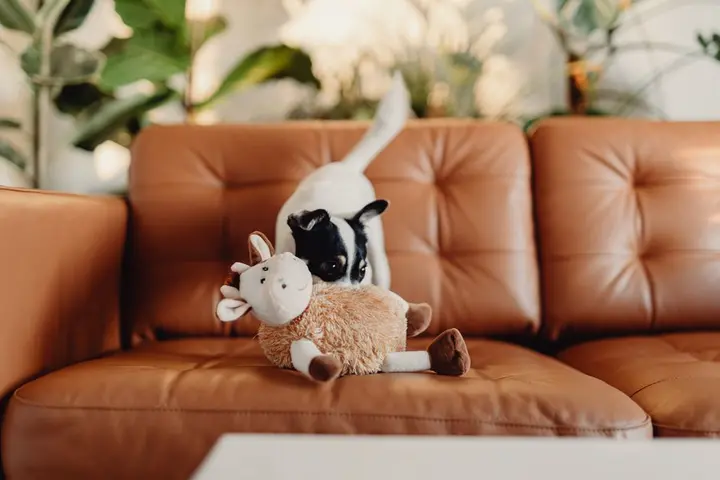
Before washing a fabric toy, check its label and examine its seams, squeaker, and any attached pieces. If machine washing is allowed, place the toy in a laundry bag and use the care instructions’ cycle and temperature. A bag helps limit snagging, but it cannot prevent damage to a toy that is already torn or poorly secured.
For hand washing, use a basin of warm water and a small amount of mild detergent suitable for the toy’s care instructions. Gently work the soapy water through the fabric, paying attention to stained areas and seams without twisting or pulling them. Rinse repeatedly until the water is clear and the fabric no longer feels soapy.
Avoid bleach, fabric softener, and strongly scented products unless the maker specifically approves them. These can leave residues or affect the fabric and attached parts. If a toy has a squeaker, remove it only if the design allows removal; otherwise, avoid soaking it when water could remain trapped inside.
Dry seams and stuffing fully
Dry a fabric toy completely before giving it back to your dog or storing it. Press out excess water with a clean towel instead of wringing the toy, which can stress seams and stitching. Then leave it in a well-ventilated place, turning it occasionally so air reaches both sides.
Pay special attention to thick stuffing, folded fabric, and areas around squeakers, where dampness can linger after the surface feels dry. Do not seal a toy in a bin or bag while it is still wet. If the care label permits a dryer, follow its instructions and check the toy afterward for heat damage.
Once dry, inspect the toy again for loose threads, open seams, or a changed shape. Washing can reveal damage that was hidden by dirt or moisture, and a wet toy may feel intact before it dries. Discard it if stuffing or a squeaker is exposed, pieces are loose, or you cannot clean and dry it safely.
- Press out water with a clean towel.
- Air-dry in a well-ventilated place.
- Check thick seams and stuffing for lingering dampness.
- Inspect the toy again before returning it.
Clean rubber and plastic toys thoroughly
Scrub Grooves and Openings
Wash rubber and hard plastic toys in warm water with a small amount of mild, unscented dish soap. Use your fingers or a soft brush to work into grooves, ridges, and treat openings where saliva and food residue collect. Avoid abrasive pads that can roughen the surface and create places for grime to cling.
For a hollow toy, squeeze soapy water through every opening, then squeeze clean water through it several times. If crumbs remain inside, use a narrow bottle brush only if it fits without scraping or stretching the toy. Check that the opening has no trapped food before moving on to rinsing.
Do not assume that every rubber or plastic toy can go in a dishwasher. Heat may warp some plastics, damage glued parts, or leave a toy misshapen, so follow its care label or manufacturer guidance. If the instructions are missing, hand-washing is the gentler choice; discard the toy if cleaning exposes cracks or sharp edges.
Choose Cleaning Tools Carefully
Match the brush to the toy rather than forcing a tool into a narrow space. A soft toothbrush can reach shallow ridges, while a small bottle brush may help with a wide hollow center. If a brush catches on a seam or begins to roughen the material, stop and clean that area by hand.
Skip strong household cleaners, solvents, and scented sprays on toys dogs chew. Residue can remain on a surface that goes directly into a dog’s mouth, and harsh products may weaken the material. Mild soap and thorough rinsing are usually sufficient for ordinary dirt; follow product directions when a toy requires special care.
Inspect the surface under good light after washing, especially around seams, holes, and textured areas. A sticky patch, peeling coating, or new rough spot can indicate material damage rather than remaining dirt. Do not keep scrubbing a toy that is breaking down; replace it if the surface cannot be made clean without further damage.
- Use a soft brush for shallow grooves.
- Choose a bottle brush only for roomy openings.
- Stop if a tool catches or scratches.
Disinfect toys when extra cleaning is needed
Know When Disinfection Helps
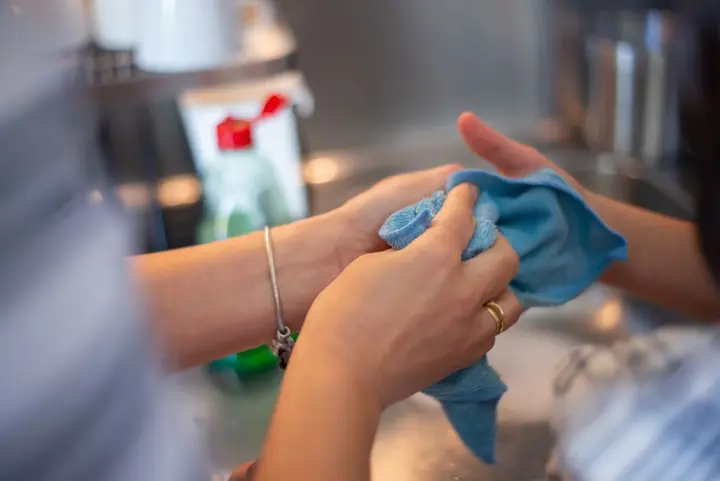
Disinfect a toy only when ordinary washing is not enough for the situation, such as after a dog has been ill or when a toy is heavily soiled. First remove visible dirt with soap and water; disinfectants work poorly through food, mud, or saliva deposits. Check that the toy’s material can tolerate the chosen method.
A clean-looking toy is not automatically safe for every dog, but routine disinfection after each play session is generally unnecessary. Frequent chemical treatment can damage some materials and leave residue if rinsing is incomplete. For everyday grime, careful washing followed by complete drying is a practical approach for most washable toys.
Use only a product whose label says it is suitable for the surface and follow its contact time and rinsing directions. Keep the dog away while the product is being used, and do not mix cleaners. If the label does not explain safe use on an item dogs mouth, choose soap and water instead.
Use Safer Cleaning Methods
When a toy’s care directions permit it, hot water and detergent may provide a suitable cleaning method without adding a separate disinfectant. Do not guess at water temperature: check the toy instructions and the detergent label. A method that works for one hard toy may damage a soft, glued, or hollow design.
If you use a disinfecting product, measure and apply it exactly as directed rather than making a stronger mixture. Respect the stated wet-contact time, then rinse if the label requires rinsing before an item touches food or mouths. Never let a dog lick a freshly treated toy or drink cleaning solution.
Some owners look up a replacement’s cost before ordering; if you need to compare a dollar-listed toy with its local cost, 1 dolar kaç TL helps Turkish shoppers check its value. Treat cleaning advice and price information as separate decisions: the toy still needs to suit your dog’s chewing style and be safe to use.
- Read the product label before applying it.
- Keep pets away during treatment.
- Rinse when directed and allow the toy to dry.
Rinse and dry toys completely
Remove Soap and Cleaner
Rinse each toy under clean running water until the surface no longer feels slippery and no suds remain. Pay special attention to textured rubber, seams, and openings, where soap can linger. For hollow toys, repeatedly fill and empty the cavity so water reaches the inside rather than just washing the outer shell.
- Rinse away all soap and cleaner.
- Shake or gently press out excess water.
- Open removable parts when care directions allow.
- Air-dry every surface before play.
If a cleaning product requires a particular rinse procedure, follow its label instead of relying on appearance alone. Keep rinsing a fabric toy until water runs clear and there is no detergent smell. Lingering residue may irritate a dog’s mouth or skin, so do not return a toy to play while it still feels coated.
After rinsing, gently squeeze water from fabric toys without twisting them hard, which can distort seams or stuffing. Shake excess water from solid toys and open any removable parts that the care directions allow. A quick check at this stage can reveal trapped suds or debris before the drying process begins.
Air-Dry Every Surface
Set washed toys in a clean, well-ventilated place where air can reach all sides. Turn them over as they dry, and leave hollow toys with openings facing down so pooled water can drain. Avoid returning a damp toy to a closed bin, where moisture can linger and encourage unpleasant smells.
Fabric toys may take longer to dry than solid rubber or plastic, particularly around stuffing and thick seams. Press a clean towel against the surface to absorb extra water, then let the toy finish drying naturally. Do not use a hot dryer unless the care label permits it, because heat can shrink fabric or weaken attachments.
Check the inside of hollow toys and the thickest fabric areas before offering them again; a dry outer surface can hide moisture within. If a toy still smells musty or feels damp after drying, wash it again if it remains sound and allow more air time. Discard it if the smell persists or damage is visible.
- Spread toys apart for airflow.
- Turn toys so hidden surfaces dry.
- Keep damp toys out of closed containers.
Know when a toy needs replacing
Spot Wear Before Play
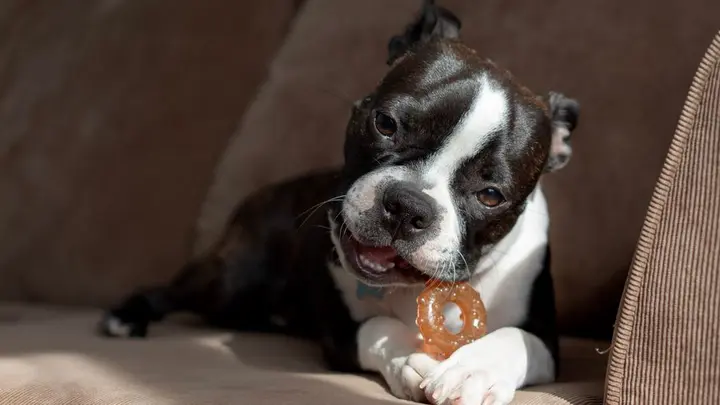
Replace a toy when chewing has created pieces that can break off, sharp edges, deep cracks, or exposed stuffing. These changes can turn an otherwise familiar toy into a choking or injury risk. Check the whole surface, not just the part your dog usually holds, because wear often begins around seams and bite marks.
- Remove toys with loose or broken pieces.
- Check seams, openings, and bite marks.
- Replace damaged chew toys instead of repairing them.
Pull gently at fabric seams and attached parts, and inspect rubber for splits that widen when flexed. A loose squeaker, detached rope strand, or missing chunk means the toy should be removed from play. Do not patch a chew toy with household glue or tape; repairs can introduce materials a dog may swallow.
Compare the toy’s current shape and texture with how it looked when new, especially if your dog chews vigorously. Some surface scuffs are cosmetic, but a tear that exposes stuffing or an opening that catches a claw deserves closer attention. When uncertain, put the toy away until you can judge whether it remains intact.
Match Toys to Chewing Habits
Choose a replacement suited to your dog’s size and chewing strength, and supervise the first play sessions with any new design. A toy that is too small may be swallowed, while one that is too hard may not suit a dog that bites down forcefully. Follow the product’s size and use guidance.
Set aside toys that are intact but no longer hold your dog’s interest, then inspect them before bringing them back into rotation. Keeping play items clean and dry makes damage easier to notice, but cleaning cannot restore a weakened surface. Replace a toy as soon as its construction no longer seems dependable.
Make a quick check part of putting toys away: look for new tears, missing pieces, and trapped dirt, then wash suitable toys and let them dry. Store clean items where they will not be confused with damaged ones awaiting disposal. This simple routine helps ensure a favorite chew toy is ready for play only when it remains safe.
- Consider your dog’s size and chewing strength.
- Supervise play with unfamiliar toys.
- Remove worn toys from the play area.
Frequently asked questions
How often should I wash my dog’s toys?
Wash toys when they become visibly dirty, sticky, or smelly, and clean them more promptly if they have picked up mud or food residue. How often depends on how much your dog uses them and where play happens. Inspect toys regularly, and follow any care instructions that set limits on washing or cleaning methods.
Can I put dog toys in the washing machine?
Some fabric toys can be machine-washed, but only when their care instructions allow it. Remove detachable parts if directed, use a gentle cycle and mild detergent, and rinse thoroughly. A washing machine may damage toys with glued pieces, delicate seams, or electronic components, so hand-washing is safer when the label is unclear.
Is vinegar safe for washing dog toys?
Vinegar is not a substitute for a labeled disinfectant, and it may not be suitable for every toy material. If you use it as part of routine cleaning, check the toy’s care guidance, dilute and rinse thoroughly, and avoid mixing it with other cleaners. Mild soap and water remain a straightforward choice for ordinary dirt.
Can my dog play with a toy while it is still damp?
Wait until a washed toy is fully dry, including inside hollow cavities and around thick seams. Damp toys can retain moisture in places you cannot see, and putting them away wet can lead to stale odors. If the toy remains musty after washing and complete drying, inspect it carefully and replace it if the odor persists.
A Clean Toy Is a Safer Toy
Match the cleaning method to the toy’s material, remove visible dirt before any extra treatment, and rinse away every trace of soap or cleaner. Let toys dry completely before returning them to play, especially around seams and hollow openings. Washing keeps grime from building up, but it cannot fix cracks, loose parts, or worn surfaces that make a toy unsafe.
For your next cleanup, gather toys in one place and inspect each before washing. Set aside anything with a tear, sharp edge, loose piece, or exposed stuffing; clean sound toys according to their care directions, then air-dry them fully. This practical routine makes it easier to spot wear early and offer your dog toys that are both clean and intact.


