
9 min read · Updated: 2026-10-15
If you want to know what’s on in the USA without sifting through noisy calendars, start with a simple plan. This guide teaches you how to find events that fit your interests, budget, and schedule, so you can fill your weeks with meaningful activities. It also explains why a reliable source matters and how to use one resource for steady updates.
You’ll learn a practical approach to discovery: pick your interests, choose trusted channels, and confirm dates before you commit. The aim is to empower your choices with clear steps and realistic expectations. Expect concrete examples and actions you can take this week to stay in the loop.
The guide is written for ordinary life: a weekend hike, a museum night, a food market visit, or a family outing. It emphasizes actionable questions to ask, how to compare options, and what to avoid when plans change. By the end, you’ll have a straightforward method to track happenings that matter to you.
- Find reliable sources that cover events in the USA and verify details before making plans.
- Plan weekly picks and keep a calm balance between indoors and outdoors.
- Use a simple checklist to avoid common mistakes and stay within your budget.
- Keep a flexible mindset and adapt to opportunities that fit your interests and schedule.
Basics of finding events
Identify your interest
Start with a clear, personal list of what you enjoy. Whether it’s live music, outdoor markets, or kid-friendly activities, a focused aim saves time. Look for recurring events that align with those interests to build a reliable rotation. what's on in the USA is a useful starting point for finding local events.
- List 3 core interests and a rough location
- Choose 2 trusted sources you’ll monitor
- Set a weekly check-in time and stick to it
- Record 1 event you’ll attend next month
Most readers benefit from a simple filter: what is free, what is family-friendly, and what is near you? Map a rough route so you don’t waste time on faraway options. Try a weekly review every Sunday to lock in a few steady picks.
Consistency matters more than volume here; a small, reliable set of sources beats a noisy feed. Prioritize venues and organizers you know, and note any upcoming seasonal themes to plan ahead.
- Make a short list of 3 core interests
- Choose 2 trusted sources
- Mark 1 recurring event each month
- Set a weekly review day
- Note any travel limits
Choose reliable sources
Before you commit time or money, verify the source. Prefer community calendars, official venue pages, and local guides with recent updates. This reduces the chance of last-minute changes or misinformation.
Compare event details across at least two sources to confirm dates, times, and accessibility. If you see discrepancies, contact the organizer or search for recent posts for clarification. Trust matters more than speed here.
Keep an eye on reviews or comments from nearby attendees to gauge vibrancy, safety, and inclusivity. A calm, well-run event tends to reflect well on your day out.
- Cross-check two calendars per event
- Look for recent posts or replies
- Check accessibility and safety notes
- Read a couple of attendee reviews
- Prefer official pages over third-party hype
How to plan your week
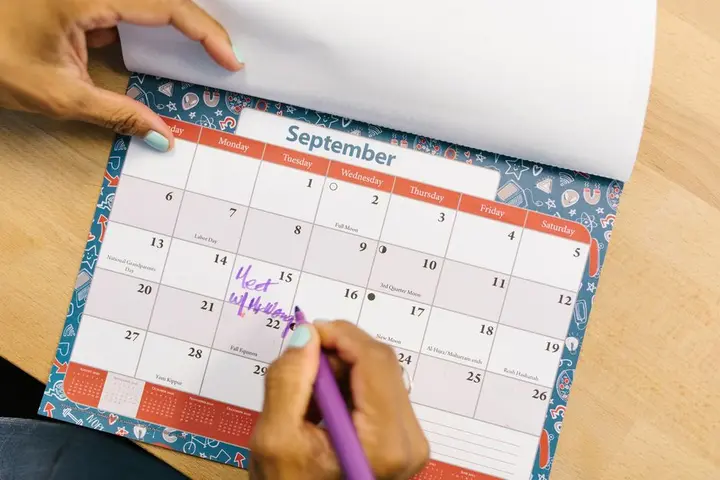
Create a simple schedule
Build a lightweight plan that fits your week, not the other way around. Block time for one or two activities and leave room for spontaneous options. A predictable rhythm reduces decision fatigue. latest health news often affects how you time activities and what you choose to attend.
- Block time for 1-2 events
- Share calendar with others
- Set reminders
- Review outcomes and adjust
Use a shared calendar if you’re coordinating with others, so plans stay visible and adjustable. Add reminders, but avoid overloading the day with back-to-back events that sap energy.
Review last week’s experiences to refine your picks. Drop activities that felt like a chore and keep what felt effortless and fun.
- Block 1-2 slots for events
- Share calendar with family or friends
- Set gentle reminders
- Review and adjust weekly goals
- Keep energy in mind when scheduling
Balance indoors and outdoors
Mix indoor and outdoor options to protect against weather or fatigue. A museum visit can balance a hike, keeping energy steady across the week.
Consider accessibility: choose venues with comfortable seating, easy rest areas, and clear paths. A well-planned outing reduces stress and keeps mood positive.
Keep a lightweight kit: water, a snack, a compact jacket, and a phone charger. Small prep prevents mid-activity worries and makes transitions smoother.
- Plan a 50/50 indoor-outdoor mix
- Check accessibility features
- Pack a small essentials kit
- Choose venues with good seating
Options for involvement
Public events and venues
Public venues offer affordable access and frequent rotations. Look for community centers, libraries, and galleries that update calendars monthly. add your business to the USA business directory can expand your options for community events and networking.
Check for family-friendly days or member discounts to stretch your budget. Arrive early to secure seats and avoid lines when possible.
Bring a friend or family member to share the experience, which often improves enjoyment and accountability.
- Explore library programs
- Look for discount days
- Arrive early for seats
- Bring a companion
- Note any accessibility needs
Private events and pop-ups
Private events and pop-ups can feel exclusive but often require quick decisions. Sign up for newsletters or alerts from favored organizers to catch these windows.
Assess the value quickly: is the event suitable for your interests and budget? If yes, secure tickets early to avoid sold-out seating.
Use what you learn from public events to guide future private options and keep expectations reasonable.
- Sign up for organizers' alerts
- Evaluate value before buying
- Plan transport and timing
- Don’t overcommit on one weekend
Many events are open and friendly, but you still set personal boundaries.
Pitfalls to avoid

Common missteps
Overloading a week with too many events creates fatigue and lowers enjoyment. A few well-chosen activities beat a crowded plan. place an advert in the USA can help you reach readers who plan outings and experiences in their area.
Ignoring accessibility or transport notes leads to frustrating trips. Check routes, seating, and rest spaces before buying tickets.
Assuming hype equals quality drains time and money. Rely on trusted sources and your own schedule, not influencer buzz.
- Limit weekly events
- Verify transport and accessibility
- Trust your own schedule over hype
- Prefer quality over quantity
Safety and boundaries
Many events are open and friendly, but you still set personal boundaries. Decide how long you’ll stay and when you’ll leave if it isn’t working.
Protect personal information when booking or joining groups. Use official channels and avoid sharing sensitive data.
If something feels unsafe, leave calmly and report concerns to the organizer when appropriate.
- Set time limits
- Guard personal data
- Trust your instincts
- Report issues if needed
How to connect with local resources
Finding nearby organizations
Start with city or county government websites to locate community centers and libraries that host events. Ask staff about weekly calendars and volunteer opportunities. Compare listings to avoid overlap and plan your week with reliable options. funeral notices in the USA are listed on many community pages and local papers, so you can plan around important community notices.
- ☐ Visit a community center desk to pick up paper calendars.
- ☐ Ask about volunteer roles and short-term opportunities.
- ☐ Keep a running list of events you actually attend to assess interest.
Look for neighborhood associations or civic groups on social platforms and bulletin boards. These sources often post last-minute events and local meetups that aren’t widely advertised. Keep a simple notebook of what feels relevant to your lifestyle.
If you prefer digital tools, subscribe to a local events newsletter and set alerts for keywords like concerts, markets, or talks. Filter out venues you don’t trust or that require heavy commitment. This keeps your calendar realistic and aligned with your energy.
- Check the city’s official calendar and note recurring events
- Join a neighborhood Facebook group or Nextdoor for updates
- Ask a library desk for printing and transit tips
- Set reminders for events you might attend soon
Budget-friendly options for events

Low-cost activity ideas
Many cities offer free museum days, outdoor concerts, and public lectures that fit a modest budget. Pick a date with minimal travel costs to maximize value. Prioritize quality over quantity to avoid weekend overwhelm.
- List two free events you can attend this month.
- Check transit times and walking routes.
- Bring a reusable bag and water bottle to save on extras.
- Record what activities you enjoyed most.
Seek community-run events where entry is a donation rather than a fixed price. These experiences often include workshops, film screenings, or author talks that spark daily-life conversations.
Use transit-friendly venues and carpool with friends to cut costs further. A little planning goes a long way toward staying within budget while keeping your routines lively.
- Look for free or low-cost days at museums
- Attend local talks at bookstores or cafes
- Join city-wide cultural festivals with free components
- Carpool to reduce travel expenses
Building a routine around happenings
Scheduling around events
Treat events as anchor points in your week and build flexible buffers around them. Add travel time, meals, and an unwind period to avoid fatigue. This makes special occasions part of a steady rhythm rather than a spark that fizzles out.
Create a rotating focus: one week music, next week talks, then markets. This spreads your energy and prevents burnout from sticking to one type of outing.
Keep a simple calendar with color-coded categories. Review the upcoming week every Sunday and adjust based on weather, mood, and workload.
- Anchor events on specific days
- Rotate your event types to balance energy
- Review and adjust weekly plan
- Build a pre-event routine to ease transitions
Evaluating what works for you

Measuring personal fit
After each outing, note three concrete takeaways: what you enjoyed, what drained you, and whether the timing felt right. This practice helps you refine future choices without overthinking.
Compare a successful outing to a less satisfying one by identifying differences in pace, setting, or company. Use that insight to shape future plans.
Schedule a monthly mini-review to prune low-value activities and reinforce what’s meaningful. Small changes compound over time and improve daily life.
- Record enjoyment versus energy use
- Identify drivers of satisfaction
- Prune routines that don’t serve you
- Revisit your goals every few weeks
Frequently asked questions
How do I start connecting with local resources when I’m new to an area?
Begin with the city or county website to locate libraries, community centers, and parks. Sign up for a monthly calendar email, then mark two events you’d like to try in the next four weeks. That creates a gentle onboarding rhythm and reduces decision fatigue.
What’s a simple way to manage costs while still enjoying outings?
Prioritize free or donation-based events and use public transit or carpooling for travel. Keep a small buffer for occasional paid experiences, and choose venues that offer low-cost refreshments or no-fee workshops.
How can I tell if an event fits my routine?
Consider the time commitment, travel distance, and your energy level after the event. If you feel energized and ready for the next activity, it’s a good fit; if you’re tired or overwhelmed, scale back.
What should I do if there aren’t many events nearby?
Look for online groups that share your interests and try virtual events. You can pair small local errands with nearby free experiences to stay connected until more options appear.
Conclusion
This practical guide helps you weave happenings into daily life without chaos, using local resources and steady routines to shape leisure time.
The next step is to pick two recurring activities, map transit, and start a short weekly review to keep the plan realistic and useful.


