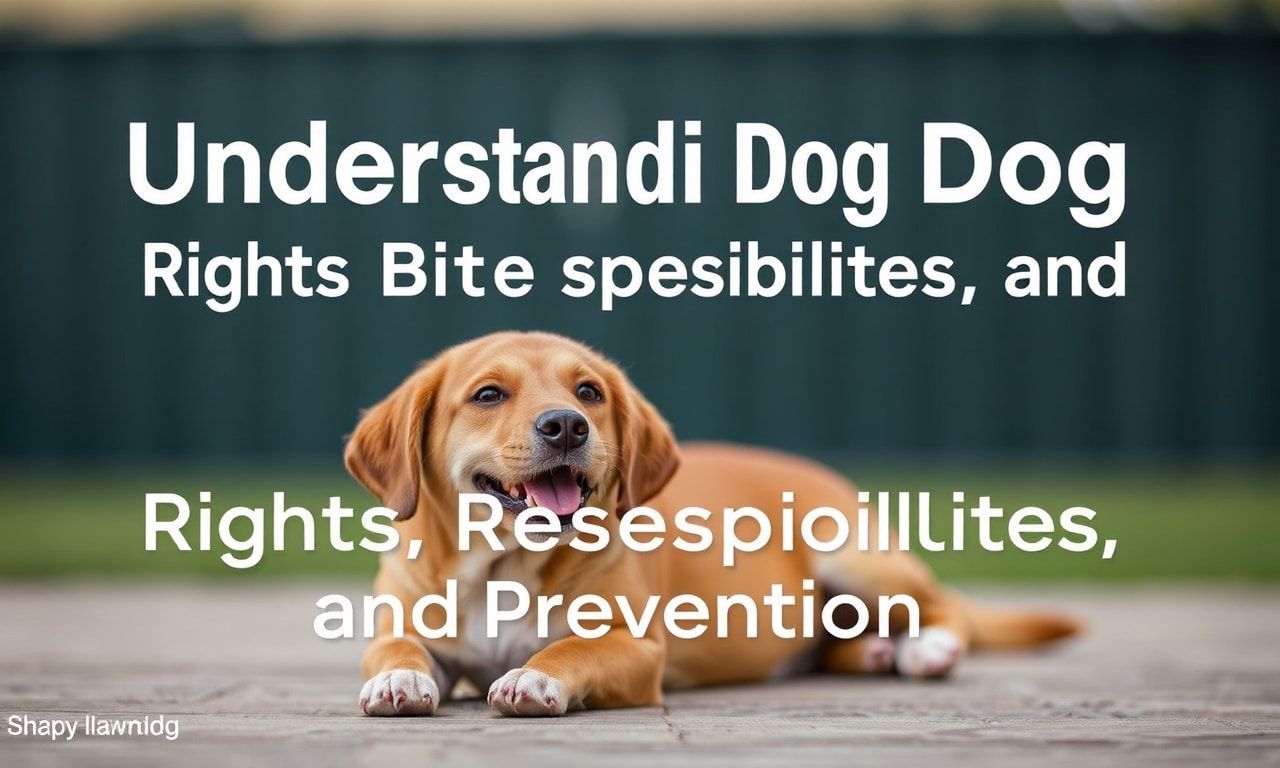
Introduction to Dog Bite Laws
Dog bites are a serious public health concern, affecting thousands of individuals each year. Understanding the legal landscape surrounding dog bites is crucial for both dog owners and victims. This article delves into the complexities of dog bite laws, highlighting the rights and responsibilities of all parties involved. Whether you are a dog owner, a victim, or simply someone interested in legal matters, this guide will provide valuable insights.
The Legal Framework
The legal framework governing dog bites varies significantly from one jurisdiction to another. Generally, laws can be categorized into two main types: strict liability and the “one-bite” rule. Strict liability laws hold dog owners responsible for any injuries caused by their pets, regardless of the dog’s past behavior. On the other hand, the “one-bite” rule requires that the dog has shown a propensity for aggression before the owner can be held liable.
Strict Liability vs. One-Bite Rule
Strict liability laws are prevalent in many states, particularly in the United States. These laws aim to simplify the legal process by holding dog owners accountable for any injuries their pets cause. For instance, if a dog bites someone, the owner is liable for damages, provided the victim was not trespassing or provoking the dog. In contrast, the “one-bite” rule requires evidence that the dog had a history of aggression. This can complicate legal proceedings, as the victim must prove that the owner was aware of the dog’s aggressive tendencies.
Rights of Dog Bite Victims
Victims of dog bites have specific rights that are protected by law. These rights include the right to seek medical attention, the right to file a police report, and the right to pursue legal action against the dog owner. It is essential for victims to document the incident thoroughly, including taking photographs of the injuries, gathering witness statements, and seeking immediate medical care. Additionally, victims should be aware of the statute of limitations for filing a lawsuit, which varies by jurisdiction.
Seeking Compensation
Victims of dog bites may be entitled to compensation for medical expenses, lost wages, pain and suffering, and other damages. To seek compensation, victims should consult with a personal injury attorney who specializes in dog bite cases. An attorney can help navigate the legal process, negotiate with insurance companies, and represent the victim in court if necessary. It is crucial to act promptly, as evidence can disappear, and witnesses’ memories can fade over time.
Responsibilities of Dog Owners
Dog owners have a legal and moral responsibility to ensure their pets do not pose a threat to others. This includes properly training and socializing their dogs, keeping them on a leash in public areas, and providing adequate supervision. Owners should also be aware of local ordinances regarding dog ownership, such as licensing requirements and leash laws. Failure to comply with these regulations can result in fines, legal action, and even the removal of the dog from the owner’s care.
Preventing Dog Bites
Preventing dog bites is a shared responsibility between dog owners and the community. Owners should take proactive measures to prevent their dogs from biting, such as:
- Providing proper training and socialization from a young age.
- Using a leash in public areas and following local leash laws.
- Supervising interactions between their dog and children or strangers.
- Being aware of their dog’s body language and signs of aggression.
- Consulting with a professional dog trainer or behaviorist if necessary.
Community members can also play a role in preventing dog bites by being cautious around unfamiliar dogs, respecting a dog’s space, and avoiding provocative behavior. Additionally, staying informed about local weather conditions can be beneficial, as extreme weather can sometimes exacerbate a dog’s aggressive tendencies. For instant weather alert notifications, consider using reliable weather services to stay ahead of any potential risks.
Legal Recourse for Repeat Offenders
In cases where a dog has a history of aggression, legal recourse may be available to protect the community. Local authorities can impose restrictions on the dog’s movements, require the owner to muzzle the dog in public, or even order the dog to be euthanized in extreme cases. Victims and community members should report repeated incidents of aggression to local animal control agencies or law enforcement to ensure public safety.
Conclusion
Understanding dog bite laws is essential for both dog owners and victims. By being aware of the legal framework, rights, and responsibilities, individuals can take proactive steps to prevent dog bites and seek justice when necessary. Whether you are a dog owner or a victim, consulting with a legal professional can provide clarity and guidance in navigating the complexities of dog bite laws. Stay informed, stay vigilant, and prioritize the safety of your community.
As extreme weather events become more frequent, understanding technological advancements in disaster preparedness is crucial for legal professionals and policymakers; explore how innovation is shaping resilience in technology aids disaster readiness.
As digital content consumption continues to evolve, it’s crucial to understand the legal implications and rights associated with content conversion; delve into the rise of YouTube converters to stay informed.
For more insights on this topic, you might find Hukuk Alanında Bilmeniz Gereken Temel Haklar particularly informative.