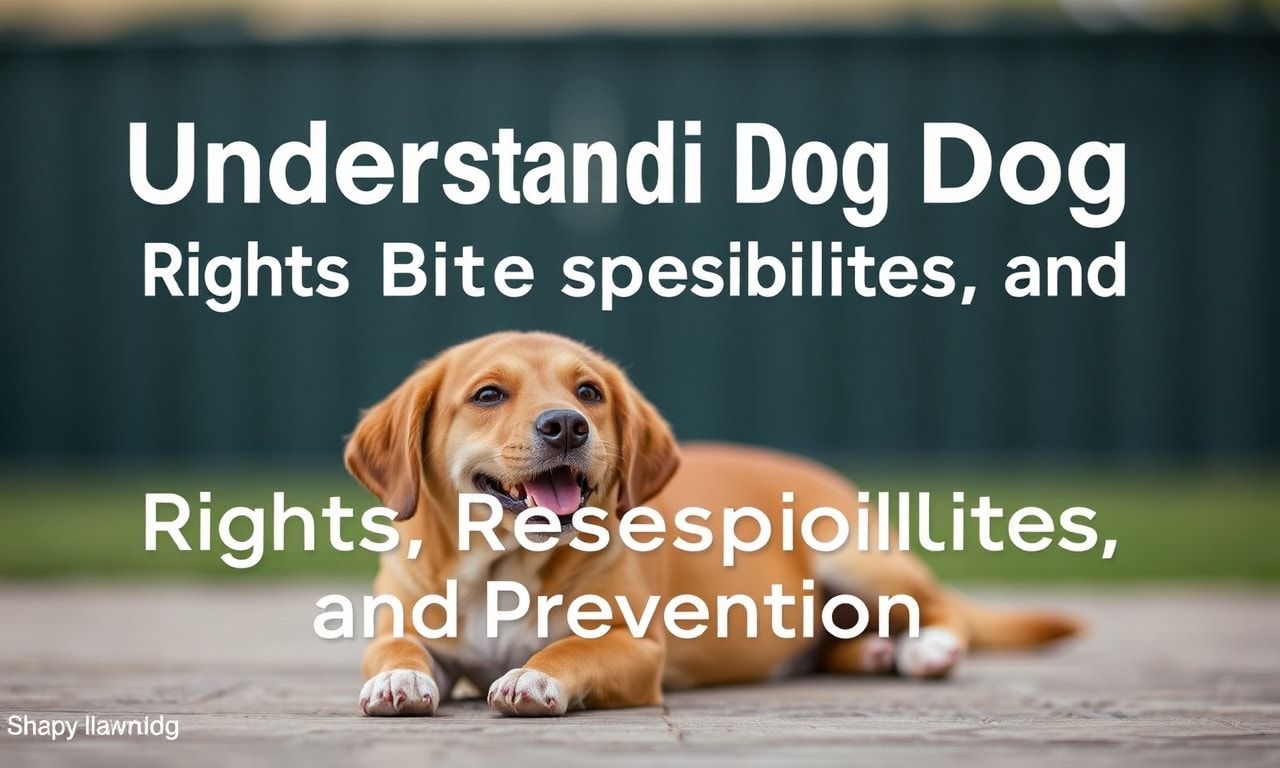
The Legal Landscape of Dog Bites
Dog bites are a significant public health concern, with millions of incidents reported annually. Understanding the legal implications of dog bites is crucial for both dog owners and victims. Laws vary by jurisdiction, but there are common themes and principles that can help navigate these complex situations. This article aims to provide a comprehensive overview of dog bite laws, focusing on the rights of victims, the responsibilities of dog owners, and preventive measures.
Liability and Legal Responsibilities
Dog owners have a legal responsibility to ensure their pets do not pose a threat to others. In many jurisdictions, the ‘one bite rule’ applies, which means that a dog owner may be held liable if they knew or should have known that their dog had a propensity to bite. However, some states have strict liability laws, which hold dog owners responsible for any injuries caused by their dog, regardless of prior knowledge of aggressive behavior.
Victims of dog bites have the right to seek compensation for medical expenses, lost wages, and pain and suffering. It is essential to document the incident thoroughly, including taking photographs of injuries, obtaining witness statements, and seeking immediate medical attention. Consulting with a personal injury attorney can help victims understand their legal rights and options for pursuing a claim.
Strict Liability vs. Negligence
Strict liability laws simplify the process for victims seeking compensation, as they do not need to prove negligence on the part of the dog owner. Instead, they only need to show that the dog caused the injury. In contrast, negligence-based laws require victims to demonstrate that the dog owner failed to exercise reasonable care, leading to the bite incident.
For example, if a dog escapes from a poorly maintained fence and bites a passerby, the owner may be found negligent. On the other hand, under strict liability, the owner would be responsible regardless of the fence’s condition. Understanding the specific laws in your jurisdiction is crucial for both victims and dog owners.
Preventive Measures and Community Responsibility
Preventing dog bites is a shared responsibility between dog owners, communities, and individuals. Dog owners should prioritize training and socialization to ensure their pets are well-behaved and comfortable around people and other animals. Regular veterinary check-ups and proper nutrition also contribute to a dog’s overall well-being and temperament.
Communities can play a role by promoting responsible pet ownership through education and awareness campaigns. Local governments can implement and enforce leash laws, licensing requirements, and other regulations to minimize the risk of dog bites. Additionally, providing resources for dog training and behavior modification can help owners manage their pets effectively.
Individuals can also take steps to prevent dog bites by respecting a dog’s space, avoiding sudden movements, and never approaching an unfamiliar dog without the owner’s permission. Teaching children about safe interactions with dogs is particularly important, as they are more likely to be bitten due to their smaller size and lack of understanding of a dog’s body language.
Fresh Herb Gardening Tips for Beginners
While the focus of this article is on dog bite laws, it’s worth noting that creating a safe and peaceful environment can also involve activities like gardening. For those interested in gardening, exploring fresh herb gardening tips for beginners can be a rewarding way to enhance your outdoor space. A well-maintained garden can contribute to a calming atmosphere, which may help reduce stress for both people and pets.
Legal Recourse for Victims
Victims of dog bites should be aware of their legal options for seeking compensation. The first step is to report the incident to local animal control or law enforcement authorities. This ensures that the incident is documented and investigated. Victims should also seek medical attention immediately, even if the injuries seem minor, as some complications can arise later.
Consulting with a personal injury attorney is highly recommended. An attorney can help victims navigate the legal process, gather evidence, and negotiate with insurance companies. In some cases, a settlement can be reached without going to court. However, if a fair settlement cannot be negotiated, the attorney can represent the victim in court to seek a favorable judgment.
Statute of Limitations
It is important to be aware of the statute of limitations for filing a dog bite claim. The statute of limitations varies by jurisdiction and typically ranges from one to three years from the date of the incident. Failing to file a claim within the specified timeframe can result in the loss of the right to seek compensation. Consulting with an attorney promptly ensures that all legal deadlines are met.
Conclusion
Understanding dog bite laws is essential for both dog owners and victims. Dog owners must be aware of their legal responsibilities and take proactive measures to prevent bites. Victims should know their rights and the steps to take to seek compensation. Preventive measures, community involvement, and legal recourse all play a crucial role in addressing the issue of dog bites. By working together, we can create safer communities for everyone.
To understand how community initiatives can influence healthcare regulations, consider exploring Glasgow’s diabetes management efforts, a model that may reshape public health policies.
To ensure you’re well-informed about your rights and the legal aspects of fashion, consider exploring health and style in fashion.
For athletes and legal professionals alike, understanding the nutritional rules in sports can be crucial in ensuring compliance with regulations and optimizing performance.