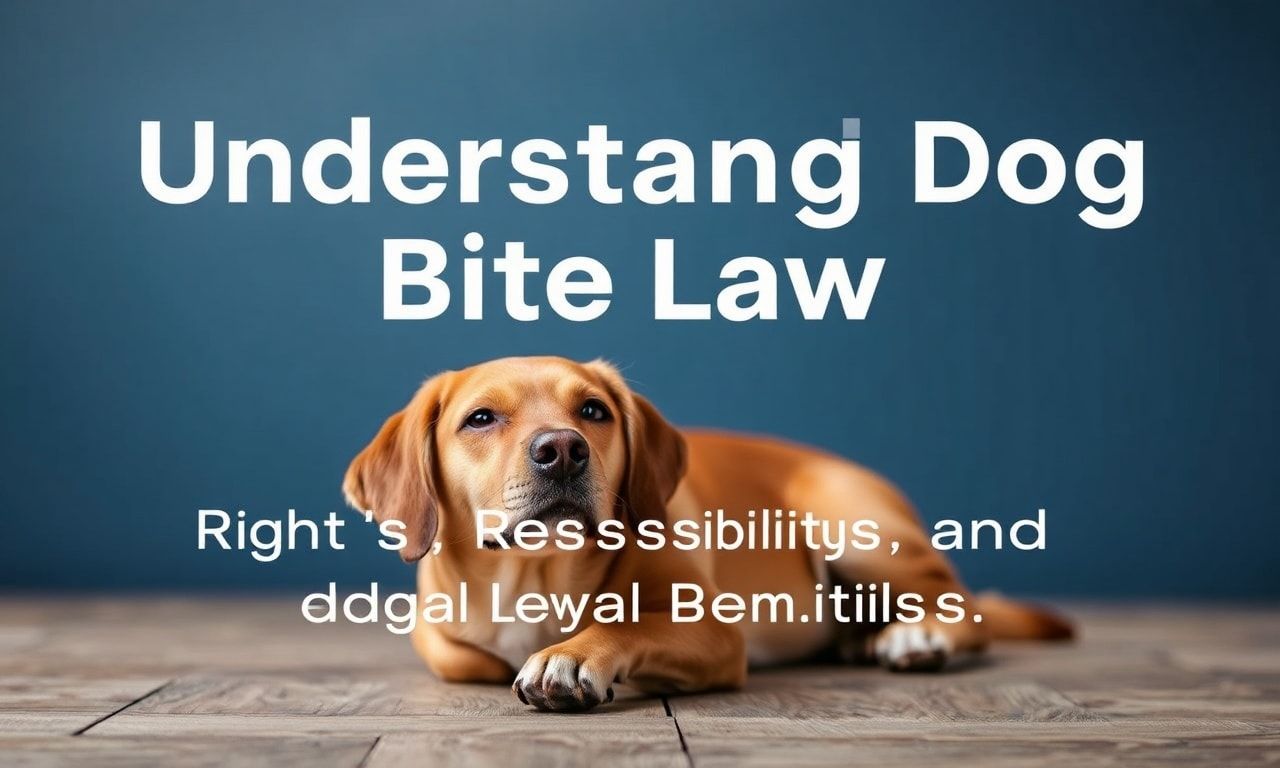
The Legal Landscape of Dog Bites
\nDog bites are a serious public health concern, affecting thousands of individuals each year. Understanding the legal implications surrounding dog bites is crucial for both dog owners and victims. This article delves into the complexities of dog bite laws, outlining the rights of victims, the responsibilities of dog owners, and the legal recourse available in various jurisdictions.
\nLiability and Negligence
\nOne of the primary legal aspects of dog bites revolves around liability and negligence. In many jurisdictions, dog owners are held strictly liable for injuries caused by their pets, regardless of the dog’s prior behavior. This means that if a dog bites someone, the owner may be financially responsible for the victim’s medical expenses, lost wages, and other damages. However, the specifics of liability laws can vary significantly from one location to another.
\nFor instance, some states follow the ‘one-bite rule,’ which means that a dog owner may only be held liable if they were aware of their dog’s aggressive tendencies. This rule can complicate cases where the dog has not previously shown signs of aggression. It is essential for victims to consult with a legal professional to understand the specific laws in their jurisdiction.
\nVictim Rights and Compensation
\nVictims of dog bites have the right to seek compensation for their injuries. This can include medical bills, rehabilitation costs, lost income, and pain and suffering. In some cases, victims may also be entitled to punitive damages, which are intended to punish the dog owner for gross negligence or reckless behavior. Understanding these rights is the first step in pursuing a legal claim.
\nIt is crucial for victims to document the incident thoroughly. This includes taking photographs of the injuries, gathering witness statements, and seeking immediate medical attention. Medical records serve as vital evidence in establishing the extent of injuries and the need for compensation. Additionally, victims should report the incident to local animal control authorities, as this can help in building a stronger legal case.
\nDog Owner Responsibilities
\nDog owners have a legal responsibility to ensure that their pets do not pose a threat to others. This includes proper training, socialization, and, in some cases, muzzling or restraining the dog in public spaces. Owners must also comply with local leash laws and other regulations designed to prevent dog bites. Failure to do so can result in legal consequences, including fines, mandatory training programs, or even the confiscation of the dog.
\nIn some jurisdictions, dog owners may be required to carry liability insurance to cover potential dog bite incidents. This insurance can help protect both the owner and the victim by ensuring that compensation is available in the event of an attack. Owners should be aware of their local laws and take proactive measures to prevent dog bites, such as spaying or neutering their pets and providing adequate exercise and mental stimulation.
\nLegal Recourse and Prevention
\nIf you have been bitten by a dog, it is important to seek legal advice promptly. A qualified attorney can help you navigate the complexities of dog bite laws and pursue the compensation you deserve. Legal professionals can also assist in negotiating with insurance companies and representing you in court if necessary.
\nPrevention is always better than cure. For dog owners, this means taking steps to ensure their pets are well-behaved and socialized. For the general public, it involves understanding how to interact safely with dogs. For example, when driving in vacation areas, it’s important to be aware of local dog regulations and potential hazards. For more tips on safe driving during vacations, you can refer to resources like Honda Accord driving in vacation tips.
\nIn conclusion, understanding dog bite laws is essential for both victims and dog owners. By being aware of your rights and responsibilities, you can help prevent incidents and ensure that justice is served in the event of an attack. Always consult with a legal professional to get the most accurate and up-to-date information regarding your specific situation.
\nIf you’re facing legal hurdles in rural settings, our guide on rural legal challenges offers essential advice and strategies to help you navigate the complexities of the legal landscape.
\nTo empower yourself with essential knowledge, delve into our detailed guide on legal rights and regulations, ensuring you’re well-informed and prepared to navigate complex legal landscapes.
\n\n\nAs the legal landscape evolves, understanding the impact of technology is crucial; explore the latest developments in digital transformation of legal services to stay informed.