
8 min read · Updated: 2026-10-12
This guide translates a serious topic into everyday steps you can take now. It starts with the basics of recognizing when a bite is serious and what immediate actions to take, so you don’t waste time or panic. You’ll then move through practical, stage-by-stage guidance you can apply at home, at work, or in public.
By keeping actions concrete—what to do, when to call for help, how to document what happened—you’ll feel more in control. The goal is to help readers stay safe and prevent future incidents without overhauling daily routines.
Expect practical checklists, clear explanations, and brief recalls you can share with family members or guests to reduce risk and improve response in a bite situation.
- Keep calm and act quickly after a bite. Distinguish minor from serious injuries and seek care when needed. Use home care steps for simple wounds while monitoring for infection.
- Know the red flags that require professional evaluation and document details for accuracy and future prevention. Share clear steps with household members so everyone knows what to do.
- Understand options for at-home care, but don’t delay professional input for deeper wounds or persistent symptoms. Discuss vaccination and exposure with a clinician when appropriate.
- The guide emphasizes practical actions, clear thresholds for care, and knowing where to find reliable local information and support.
Basics first: immediate steps after a bite
What to do right away
The first moments after a bite shape the outcome. If possible, safely separate the dog and person, assess for bleeding, and call for help if needed. Use clean cloths to apply gentle pressure and avoid squeezing the wound. Note the dog’s behavior and any resistance from the injured person. Aberdeen News online
This part emphasizes calm, quick actions rather than fear-based reactions. Keeping the wound clean and controlled reduces infection risk and buys time to decide on next steps.
Common sense actions, like washing hands before and after tending to the bite, help prevent contamination and reassure everyone involved.
- Separate people and dog calmly
- Apply clean pressure to wounds
- Note injuries and dog behavior
- Call emergency services if bleeding won’t stop
- Record basic details for follow-up
How to assess severity and seek care
Severity cues to watch
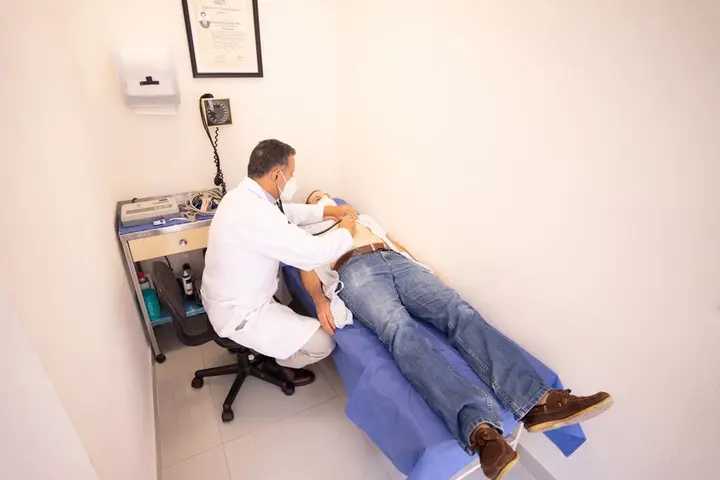
Not all bites require clinic visits, but certain signs do. Deep punctures, heavy bleeding, or bites on the face, hands, or joints call for professional evaluation. If symptoms like swelling, fever, or increasing pain develop, seek care promptly. A useful resource on this topic: publish local events in Aberdeen.
Understanding these cues helps you decide between at-home care and urgent care. Timely assessment protects against infection and nerve damage.
Documenting when symptoms start supports medical decisions and insurance needs if applicable.
- Deep wound or heavy bleeding
- Bite on sensitive areas (face, hands)
- Signs of infection (fever, spreading redness)
- Persistent or worsening pain after 24 hours
Options for treatment and care at home
Home care steps you can take
Non-urgent bites often respond to basic first aid and simple wound care. Rinse, clean, and cover the wound with a sterile bandage. Change the dressing daily and watch for signs of infection over the next few days. A useful resource on this topic: find local businesses in Aberdeen.
- Clean wound with mild soap and water
- Apply sterile bandage
- Avoid home remedies on open wounds
- Seek medical advice if unsure about severity
For minor bites, over-the-counter pain relief and keeping the limb elevated can reduce swelling. Avoid strenuous activity that stresses the wound until it heals.
If the bite is from a known dog, discuss vaccination status and potential risk with a healthcare provider to determine if a tetanus shot is needed.
- Clean then cover the wound
- Keep the area elevated when possible
- Change dressings daily
- Monitor for infection signs
- Consult a professional for tetanus or antibiotic needs
| Option | Pros | Cons |
|---|---|---|
| Home care | Low effort, quick start | Requires careful monitoring for infection |
| Professional care | Medical guidance, antibiotics if needed | Possible wait time or costs |
| Hybrid approach | Best of both: initial home care then clinician check | Must coordinate timing with care plan |
Know where to pause: avoid aggressive triggers like rough play with toys or wrestling indoors, and separate dogs who show tension.
Living with risk: everyday prevention
Daily precautions for pet and park
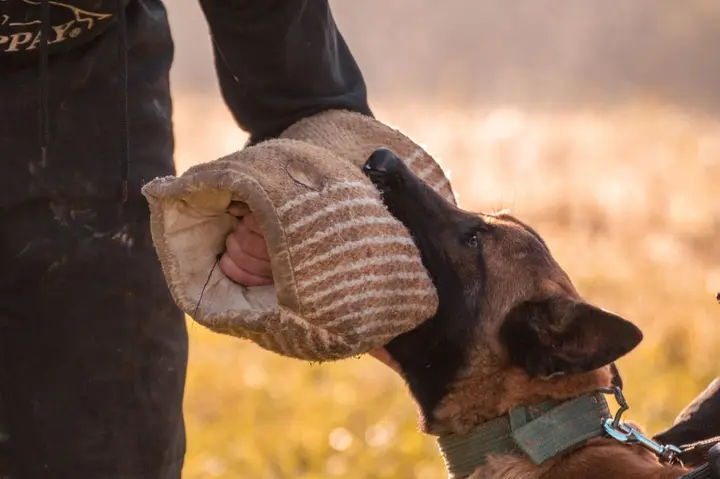
Start with consistent training and supervision for all dogs in family routines, especially around children and unfamiliar animals. Practice calm greetings, leash control, and boundary rules in shared spaces to reduce sudden reactions. Carry a basic first-aid kit and a small flashlight for dusk walks to avoid surprises in low light. A useful resource on this topic: rooms and property to rent in Aberdeen.
Know where to pause: avoid aggressive triggers like rough play with toys or wrestling indoors, and separate dogs who show tension. Use barriers and separated spaces during visitors or chaotic moments. Build predictable routines so a bite feels like a rare event rather than a consequence of confusion.
If a bite seems likely, remove the dog from the situation calmly and assess the environment for next steps, like offering a quiet retreat and socializing more slowly later. Regularly inspect your dog’s health for pain or illness that could alter behavior. Communicate openly with family about signals that precede a bite and how to respond.
- Supervise around children at all times
- Use harnesses and leashes in public
- Limit rough play that can escalate
- Have a designated safe space for dogs
- Practice calm, predictable routines
Legal and reporting steps in bite incidents
What to document after an incident
Begin by noting the date, time, location, and people involved, plus a neutral description of what happened. Take photos of injuries and the dog’s condition if safe to do so. Record any witnesses’ contact information for follow-up. obituaries in Aberdeen
- A neighbor’s dog bites a passerby during a walk
- The owner reports the incident to local animal control as required
- A brief quarantine period is initiated according to city rules
Report the incident to local authorities when required by law, and seek medical advice if skin injuries or wounds occurred. Keep a copy of all correspondence and receipts related to medical visits or veterinary care. This helps you track the incident for potential future reference.
Review any local rules about dog ownership, quarantine, or bite reporting, and ask for a written acknowledgment of receipt from the agency involved. If the dog’s owner is not cooperative, request guidance on next steps and available appeals.
- Document details promptly
- Preserve evidence with photos
- Follow local reporting rules
- Keep copies of all communications
When to involve professionals: animal behavior

When to seek help from an expert
If a dog shows repeated warning signs like stiff posture, growling, or retreating before snapping, consult a veterinarian or certified behaviorist to assess mental health and possible medical causes. Professional guidance helps distinguish between fear, pain, and aggression.
Behavioral plans should be individualized, focusing on management, desensitization, and positive reinforcement. Expect a clear timeline and measurable milestones, not quick fixes. Involve all household members in the training to ensure consistency.
Maintain realistic expectations: progress can be gradual, and some cases require ongoing support or changes to living arrangements. Documentation from a professional strengthens safety decisions for your family and visitors.
- Recognize warning signals early
- Consult a qualified behaviorist
- Implement a structured plan
- Involve all household members
Resources and local guidance in Aberdeen
Where to look for local help and rules
Check Aberdeen City Council’s pet ownership guidelines and animal welfare resources to understand reporting obligations. Local shelters and rescue groups often provide training classes and socialization opportunities that suit busy schedules.
Look for accredited trainers and behaviorists who can tailor plans to your dog’s temperament and daily life. Ask about session formats, progress tracking, and how to involve family members in practical steps.
If you’re unsure about a bite incident or your dog’s behavior, contact a local veterinary clinic for an initial behavioral assessment and to discuss next steps. Keep a record of all visits and recommendations for reference.
- Refer to local council guidelines
- Find accredited trainers in Aberdeen
- Schedule vet or behaviorist assessments
- Document all steps taken
Frequently asked questions
What counts as a bite incident
A bite incident includes any skin-penetrating contact or a close snapping event that could cause fear or injury. Even minor nips or leash-tugging near the face can be serious in certain situations, especially with children or vulnerable individuals. In many places, incidents must be reported if they involve a licensed dog or an at-risk animal, or if injuries occur. When in doubt, ask a local authority for clarification and keep notes for your records. Always prioritize safety: separate animals, check for injuries, and seek medical or veterinary help when skin breaks occur. Document how you handled the situation to inform future prevention.
How do I tell if a dog is about to bite?
Look for warning signals such as stiff body posture, tucked tail, pinned ears, direct stare, or lip licking combined with a raised hackle. A dog that freezes or retreats may also be signaling fear. If you observe these signs, create distance, avoid eye contact, and calmly remove people or pets from the area.
When should I seek medical attention for a bite?
Seek medical care for any puncture wound, deep scratch, or if the skin breaks and bleeding won’t stop. Even superficial bites can become infected, especially if the wound is on a hand or foot. A clinician can assess the need for cleaning, stitches, antibiotics, and a tetanus update if indicated.
Who should I contact for local guidance in Aberdeen?
Start with your local animal control office for reporting requirements and safety steps. Your veterinarian can provide guidance on bite-related health concerns and behavior referrals. Local shelters and training centers can connect you with qualified behaviorists or trainers who understand Aberdeen rules.
Conclusion
Daily safety rests on small, repeatable habits. Training, supervision, and calm routines reduce risk in everyday life. Focus on clear signals and predictable reactions so everyone feels secure.
There is no one-size-fits-all answer, but consistent practice builds a safer home and more confident pets. Use checklists and local guidance to tailor steps to your situation. Start with one small change today and track progress.


